🎨 Kilim: The Ancient Geometry of the Soul
A Kilim is not just a rug; it is a woven poem. As the older ancestor of the knotted carpet, the Kilim has been the portable canvas of nomadic tribes for over 9,000 years.
🧿 The Silent Language: Kilim Motifs
Every diamond, triangle, and zigzag on a Kilim is a letter in an ancient alphabet. These designs were born from the Shamanistic beliefs of early Turkic tribes.
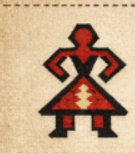
ELIBELINDE (Hands on Hips)
Symbol of Fertility, Motherhood, and Womanhood.
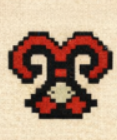
THE RAM'S HORN
Represents Strength, Power, and Heroism.
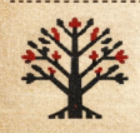
TREE OF LIFE
Sign of Eternity, Growth, and Connection between Earth and Heaven.
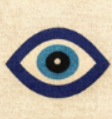
EVIL EYE
Protection from the Evil Eye and Negative Energies.
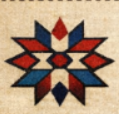
STAR
Symbol of Good Luck and Spirituality.
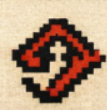
BURDOK (Hook)
Used as a Talisman against Evil and Danger.
WOLF'S MOUTH
Symbolizes Protection and Bravery.
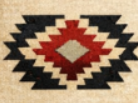
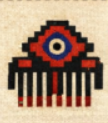
FERTILITY (Evil Eye & Comb)
Represents Fertility and Abundance.
WATER MOTIF
Symbol of Purity, Life, and Cleansing.

🔍 Case Study: Detailed Motif Analysis
To truly understand a kilim, we must look at how individual symbols come together. Below is a technical breakdown of a central medallion and its protective layers.
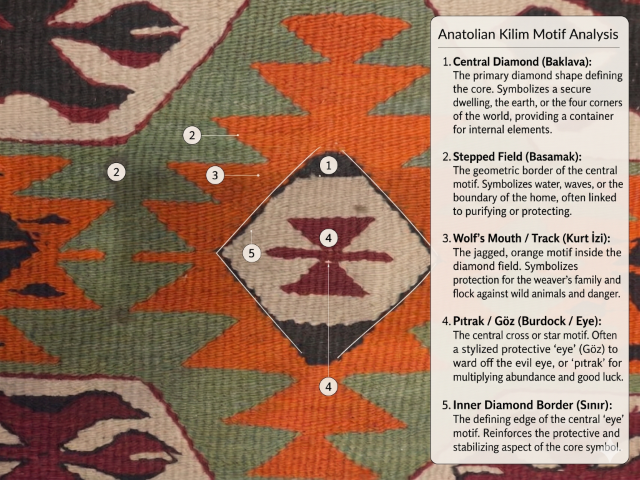
(Click the image to enlarge the technical details) |
Key Takeaways from this Analysis:
As an expert curator, I recommend paying close attention to these "stepped" (Basamak) borders; they often tell the story of the weaver's family boundaries. |
🏛️ A Heritage Older Than History
The origins of Kilim symbols reach back to the Neolithic era (approx. 7000 BC). Unlike city rugs, Kilims represent the raw, honest, and poetic soul of the Anatolian plateau.
🏔️ Born from the Nomadic Spirit
- The Mountain Companion: Kilims were lighter and easier to fold, making them perfect for high-altitude nomadic migration.
- The Reversible Masterpiece: Most Kilims are reversible. There is no “back side”; both sides are equally beautiful, doubling the life of the art in your home.
👩🎨 The Master at Work: The Loom
A Kilim is created on a traditional wooden loom called a “Tezgah.” There are no digital blueprints; the weaver translates ancestral patterns directly from her mind to her fingers.
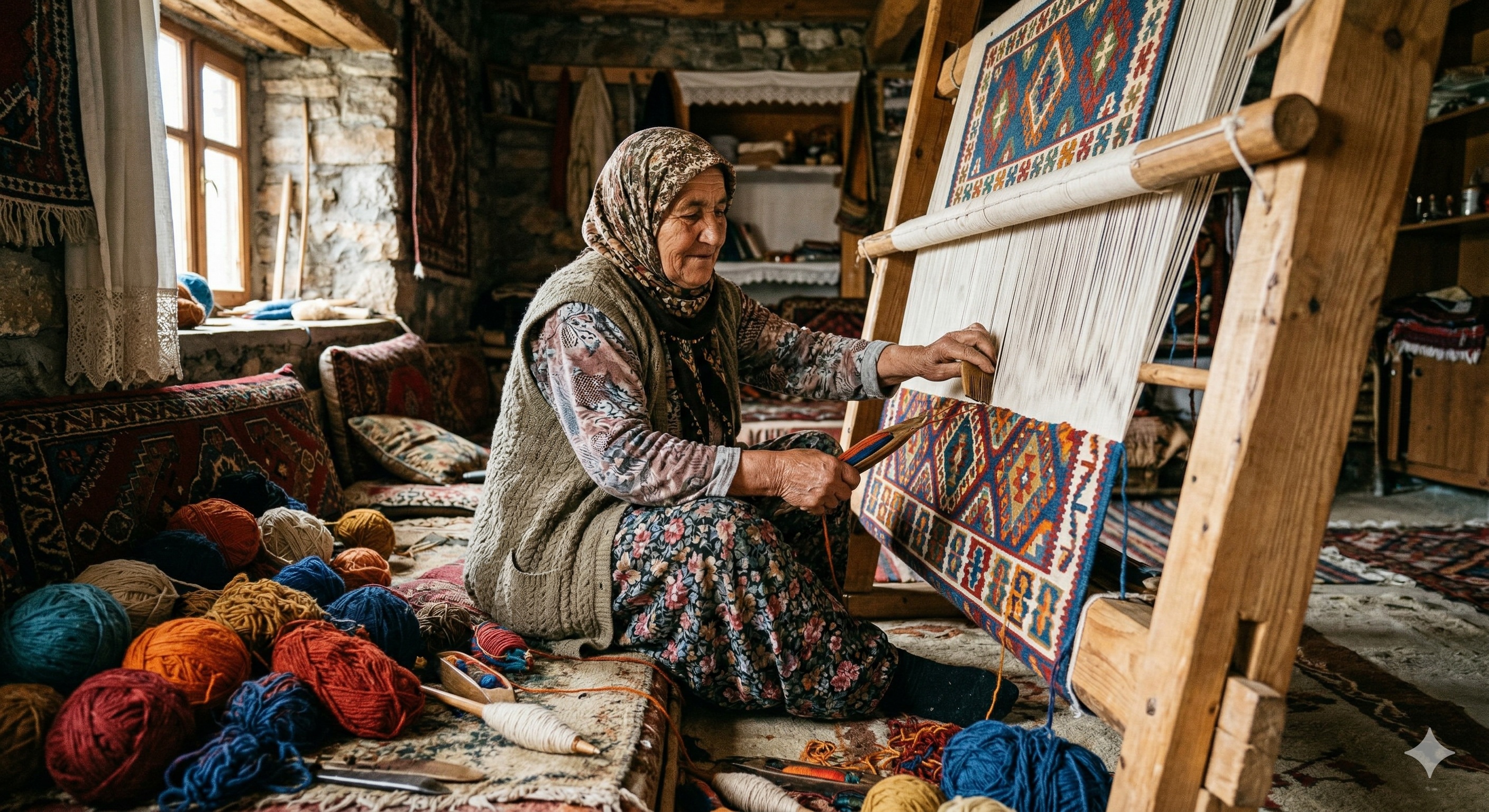
The weaver using the "Kirkit" (heavy comb) to beat the threads into a lifetime of durability.
💃 The Iconic “Eli Belinde” (Hands on Hips)
This is the most important human motif in Anatolian weaving. It represents motherhood, fertility, and the “Great Mother” goddess.
The Motherhood Symbol: A 9,000-year-old celebration of feminine power and creation.
🌸 The Silent Voice: The Dowry (Çeyiz)
For centuries, weaving was the only way for a young woman to express her emotions. Every Kilim was a part of her dowry.
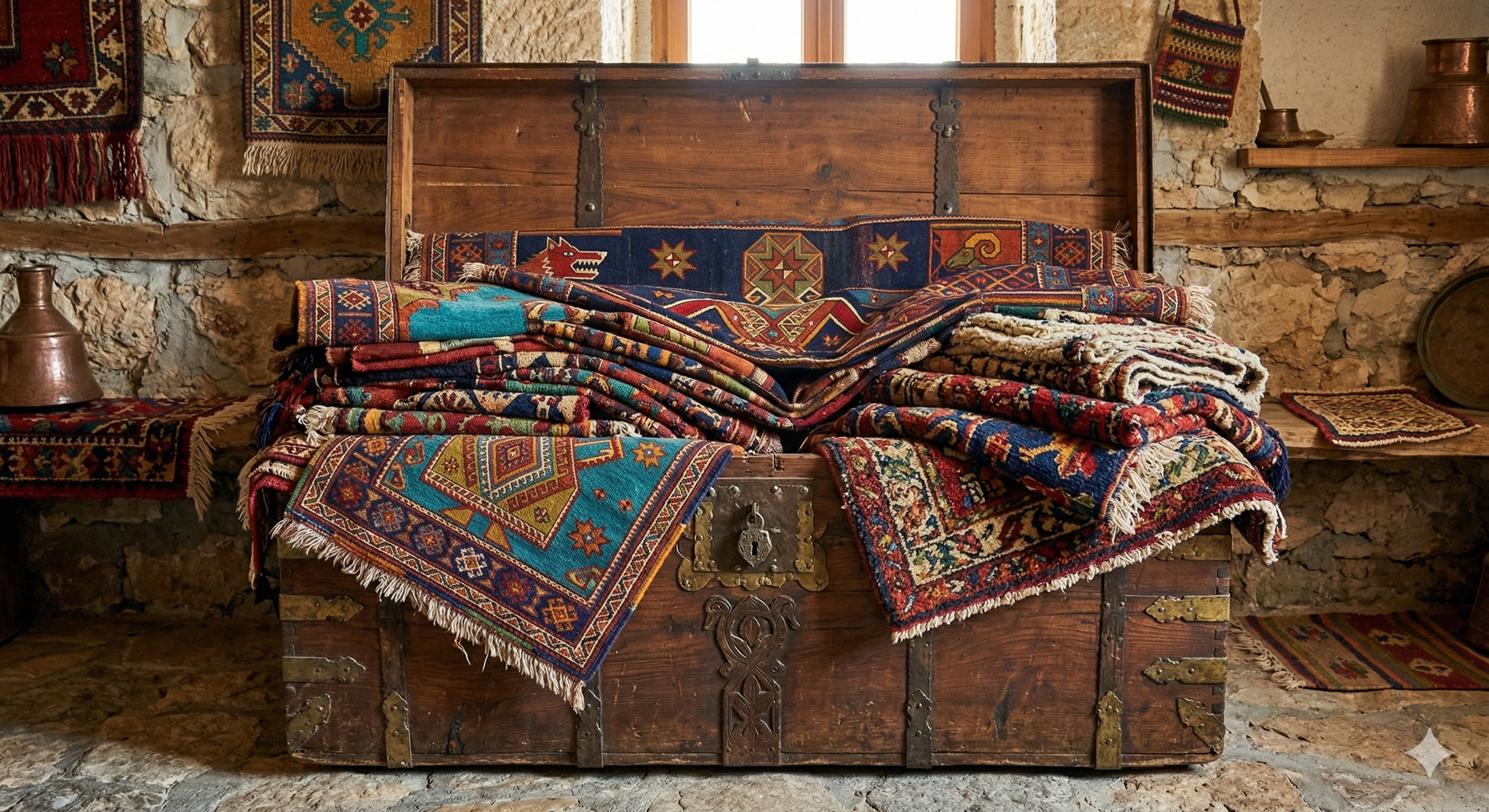
A young weaver preparing her dowry—every thread carries a dream of a new life.
🌿 The Alchemy of Nature: 100% Handmade
Every authentic Kilim is a product of immense patience:
- Hand-Spun Wool: Sheared from local sheep and spun by hand, creating a unique texture.
- Vegetal Dyes: Madder root for reds, Indigo for blues, and Saffron for yellows. These natural dyes age gracefully, gaining a beautiful “patina” over time.
⚠️ A Vanishing Art: Why Your Choice Matters
Hand-weaving is a vanishing art. When you acquire a hand-woven Kilim, you are acting as a patron of the arts. You are helping this ancient tradition survive for another generation.